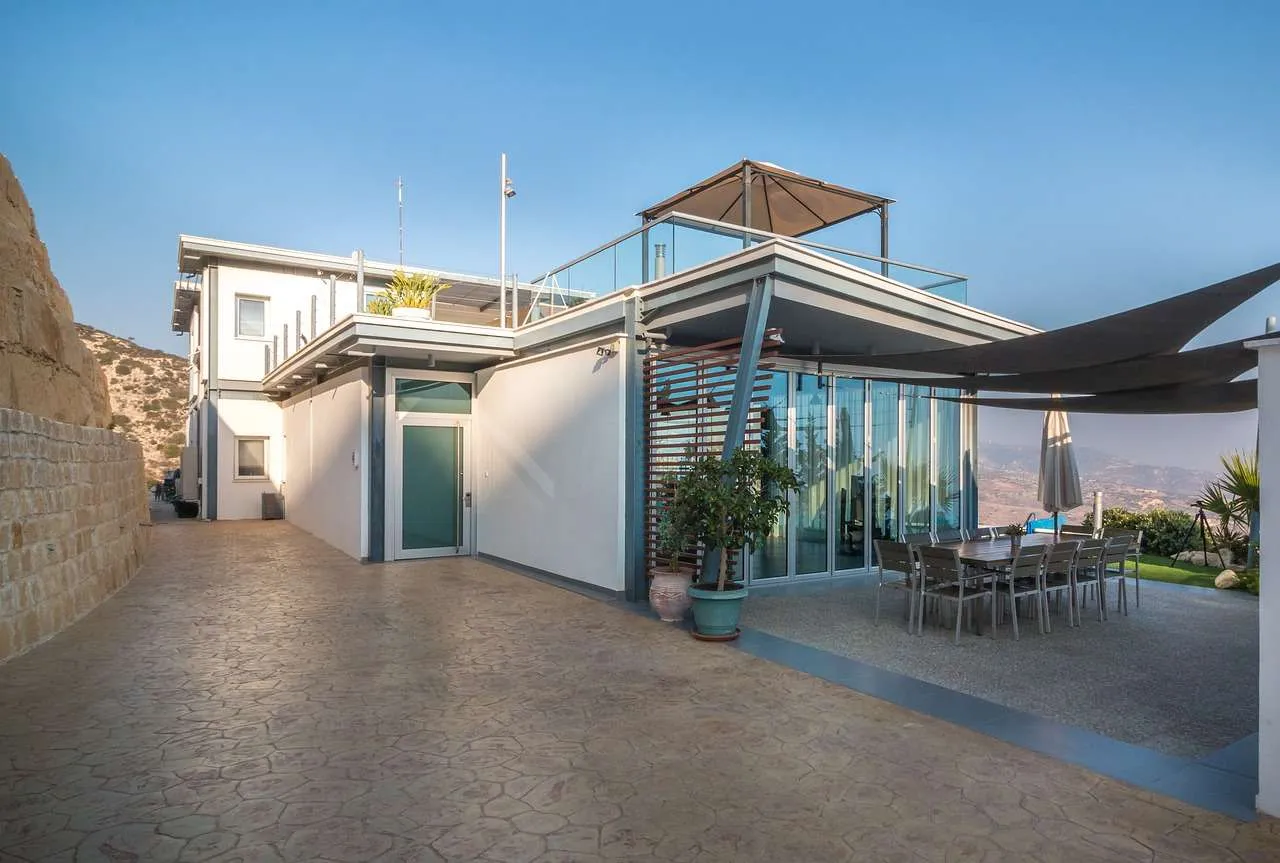
What is repair of roofing?
Repair of roofing refers to the process of identifying and fixing damaged components of a roof to restore its function, protect the home, and extend its lifespan. A careful assessment by a qualified contractor helps determine whether a simple patch or more extensive work is needed. Proper repairs address the underlying cause, not just the symptom, to prevent recurring leaks and structural damage.
Common roofing problems that require repair
Leaks and water intrusion
Leaks often stem from damaged shingles, worn flashing, or improperly sealed penetrations. Early signs include ceiling stains, damp insulation, and musty attic odors. Prompt repair reduces wood rot, mold risk, and interior damage. In some cases, repairing the source and resealing penetrations is enough; in others, extensions of the roof deck may be required.
Damaged flashing and seals
Flashing around chimneys, vents, and skylines can deteriorate due to weather, temperature shifts, and poor installation. Damaged flashing is a common trigger for leaks even when shingles appear intact. Replacing or resealing flashing under a professional’s guidance prevents water intrusion and preserves ventilation paths.
Missing or damaged shingles
Wind, hail, or aging can lead to missing or cracked shingles. Exposed nail heads, curling edges, or granule loss signal that a repair or replacement is due. Addressing missing shingles quickly helps maintain the roof’s water-tight barrier and overall energy efficiency.
Ventilation and deck issues
Poor attic ventilation can cause condensation, ice dams, and accelerated aging of roofing materials. Debris buildup, moisture in the roof deck, or soft spots indicate the deck requires attention. Repair work might involve resealing, replacing damaged boards, or improving underlayment and attic airflow.
DIY vs professional roof repair
DIY repairs can be tempting for small issues, but they come with safety risks and long-term consequences. Working on a roof involves height, weather exposure, and electrical hazards near vents and fans. In addition, improper repairs can void manufacturer warranties and lead to more expensive fixes later. A licensed professional brings training, proper tools, and insurance coverage to handle complex problems and ensure code compliance.
- Safety: fall protection, ladders, and PPE are essential.
- Code and warranty: professionals follow local building codes and manufacturers' installation requirements.
- Quality and longevity: proper sealing, flashing, underlayment, and ventilation considerations are more reliable with an experienced roofer.
How to choose a roofing professional
Selecting the right roofer reduces risk and improves outcomes. Consider these steps to vet candidates:
- Verify licenses and insurance coverage, including liability and workers’ compensation.
- Check references and recent project photos similar to your repair needs.
- Obtain written estimates with itemized material and labor costs, and a clear warranty for both parts and labor.
- Ask about warranties, schedule, and handling of unexpected issues discovered during repair.
- Review online reviews and verify contractor standing with local Better Business Bureau or trades associations.
Cost factors and typical pricing
Costs vary based on damage extent, roof type, accessibility, and local labor rates. The table below provides a snapshot of typical ranges for common repairs.
| Repair Type | Typical Cost Range | Key Considerations |
|---|---|---|
| Minor leak seal or shingle reseal | $150–$500 | Small localized repair; may reflect underlying still-intact deck |
| Damaged flashing repair | $300–$1,000 | Chimneys, vents, and perimeter areas; may require resealing |
| Missing or damaged shingles replacement | $350–$1,000 per 10 shingles | Material type and access affect price; ensures continuous protection |
| Vent and pipe flashing replacement | $400–$1,500 | Critical for attic moisture control and weather sealing |
| Extensive roof deck or structural repair | $1,000–$6,000+ | Significant damage may require deck repair or underlayment replacement |
Maintenance tips to extend roof life
Proactive maintenance reduces the frequency and scope of repairs. Regular inspections, especially after severe weather, help catch issues early:
- Schedule a professional inspection twice a year and after major storms.
- Keep gutters clean and free of debris to prevent water backup and fascia damage.
- Remove branches and leaves from the roof surface and around vents to minimize moisture retention.
- Inspect attic for signs of moisture or ice dam formation and address ventilation needs.
- Use high-quality sealants and materials that match your roof type and climate, and follow warranty requirements.
Comparison: DIY vs professional roof repair
| Option | Pros | Cons |
|---|---|---|
| DIY roof repair | Lower upfront cost for small fixes; quick checks | Safety risks; potential for improper repairs; may void warranties |
| Professional roof repair | Quality workmanship; warranty on labor; code compliance | Higher upfront cost |
Conclusion, a thoughtful approach to repair of roofing balances cost, safety, and long-term value. For most homeowners, small issues can be managed with careful monitoring, but persistent leaks, significant deck damage, or complex flashing demand a licensed professional. By prioritizing accurate diagnosis, quality materials, and proper installation, you protect your home, maintain energy efficiency, and preserve warranty coverage over time. Regular maintenance and timely repairs are the cornerstone of a durable roof, ensuring you stay dry and secure for years to come. Summary, effective roof repair requires expertise, careful planning, and reliable service to deliver lasting protection.