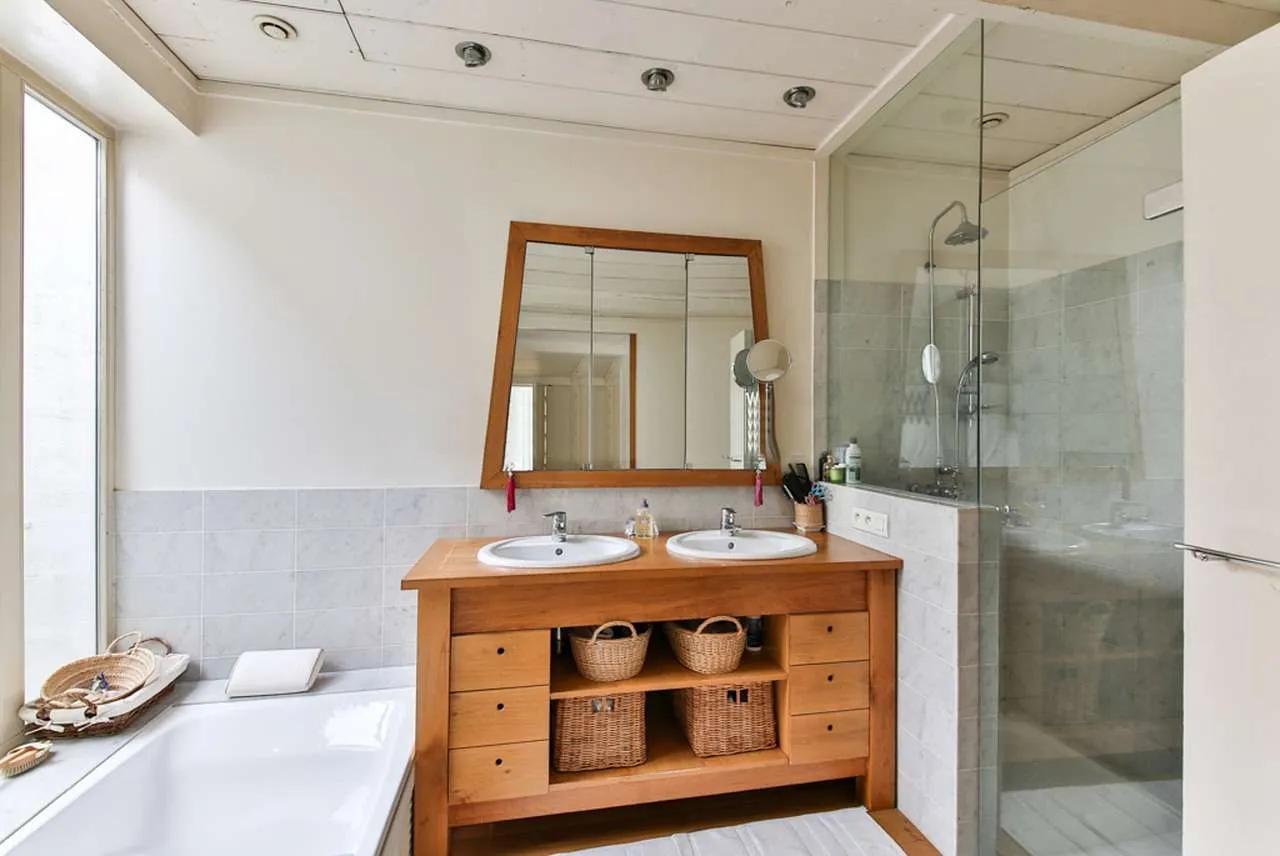
Home window tinting is a practical upgrade for any home, offering measurable improvements in comfort, energy efficiency, and style. By selecting the right film and a professional installation, homeowners can reduce heat gain, block harmful UV rays, and enjoy better privacy without sacrificing view.
What is home window tinting
Window tinting refers to applying a thin film on the interior surface of glass windows. The film is made of multiple layers including dyes, metals, ceramic compounds, or coatings that filter light and heat. When well chosen, it enhances energy performance and reduces glare while preserving visibility from inside to outside.
Benefits of home window tinting
Key benefits include energy savings through lower cooling loads, UV protection that helps prevent fading of furniture and flooring, glare reduction for screens and interiors, and increased privacy during the day. Tinting can also improve comfort by evening out indoor temperatures and limiting hot spots near windows.
Types of window tinting films
Solar control film
Solar control films reduce heat by reflecting a portion of solar radiation. They come in various densities and colors, balancing light transmission with heat rejection. This option is popular for living spaces and rooms with strong sun exposure.
Low emissivity and reflective films
Low E and reflective films are designed to minimize heat transfer while maintaining good daylight. They offer higher heat rejection and increased privacy during daylight but can reduce visible light slightly and may appear mirrored from the outside at certain angles.
Ceramic and non metallic films
Ceramic films are known for strong heat rejection without excessive tint. They preserve natural color perception, resist staining, and remain effective under varied lighting. These films tend to be pricier but offer excellent performance with minimal signal interference for electronic devices.
Metalized and dual reflective films
Metalized films combine metallic layers to reflect heat. They provide strong solar control but can interfere with some phone signals or navigation devices and may be subject to stricter aesthetic rules in certain neighborhoods.
Important considerations
Before choosing a tint, consider climate, window orientation, and interior needs. Check local regulations for visible tint limits, especially on front doors and driver's side windows if the tint is on a vehicular-like entry. Look for films with high UV rejection and NFRC or third party ratings for energy performance. Professional installation ensures edge sealing, even coating, and long lasting results.
Professional vs DIY installation
Professional installation is recommended for most homes. Pros can accurately measure heat gain, choose appropriate VLT and SHGC, and ensure bubble-free, uniform application. DIY kits exist but can result in air pockets or poor adhesion if surfaces are not properly prepared. For large or multi‑story homes, hiring a licensed installer improves quality and warranty coverage.
Cost, warranty and maintenance
Costs vary by film type and window area, typically ranging from a few dollars per square foot to over ten dollars for premium ceramic films. Most films come with warranties lasting from 5 to 20 years against bubbling, peeling, or discoloration. Maintenance is simple: wipe with a soft, non abrasive cleaner and avoid harsh solvents that can degrade the film.
Choosing a professional installer
Ask for NFRC or independent ratings, before after photos, and a written warranty. Request on site measurements, sample films, and a clear explanation of expected heat reduction and lighting changes. Verify licenses and read customer reviews to gauge reliability and timeliness.
Comparison of common tint options
| Film Type | VLT | SHGC | UV Rejection | Estimated Cost | Pros | Cons |
|---|---|---|---|---|---|---|
| Solar control film | 30–70% | 0.34–0.50 | 99% | 1–3 per sq ft | Good heat rejection, varied looks | Limited privacy on certain angles |
| Low E / reflective film | 20–60% | 0.25–0.40 | 99% | 2–4 per sq ft | Strong energy performance | Possible glare from outside at night |
| Ceramic film | 15–60% | 0.20–0.40 | 99% | 3–6 per sq ft | Excellent performance, preserves color | Higher upfront cost |
| Metalized / dual reflective | 5–40% | 0.20–0.40 | 99% | 2–5 per sq ft | Strong heat control | Signal interference risk |
| Clear UV blocking film | 70–90% | 0.40–0.60 | 99% | 1–2.5 per sq ft | Nice daylight, keeps view | Limited tint for privacy |
Why trustworthiness matters
For EEAT, seek out installers with transparent ratings, clear warranties, and documented results. Check reviews, request references, and ensure the provider follows local codes and safety standards. A well documented process with verifiable ratings demonstrates expertise and builds trust with homeowners.
Conclusion
Summary Home window tinting offers energy savings, UV protection, glare reduction, and privacy improvements. By choosing the right film, aligning with local regulations, and using a qualified installer, homeowners can enjoy durable performance and long term value. Consider climate, sunlight exposure and budget, request clear warranties, and compare film options before deciding.